Our Approach
About Us
At StoryCraft, we hold space for the stories people rarely tell
— because understanding people is a craft in itself.
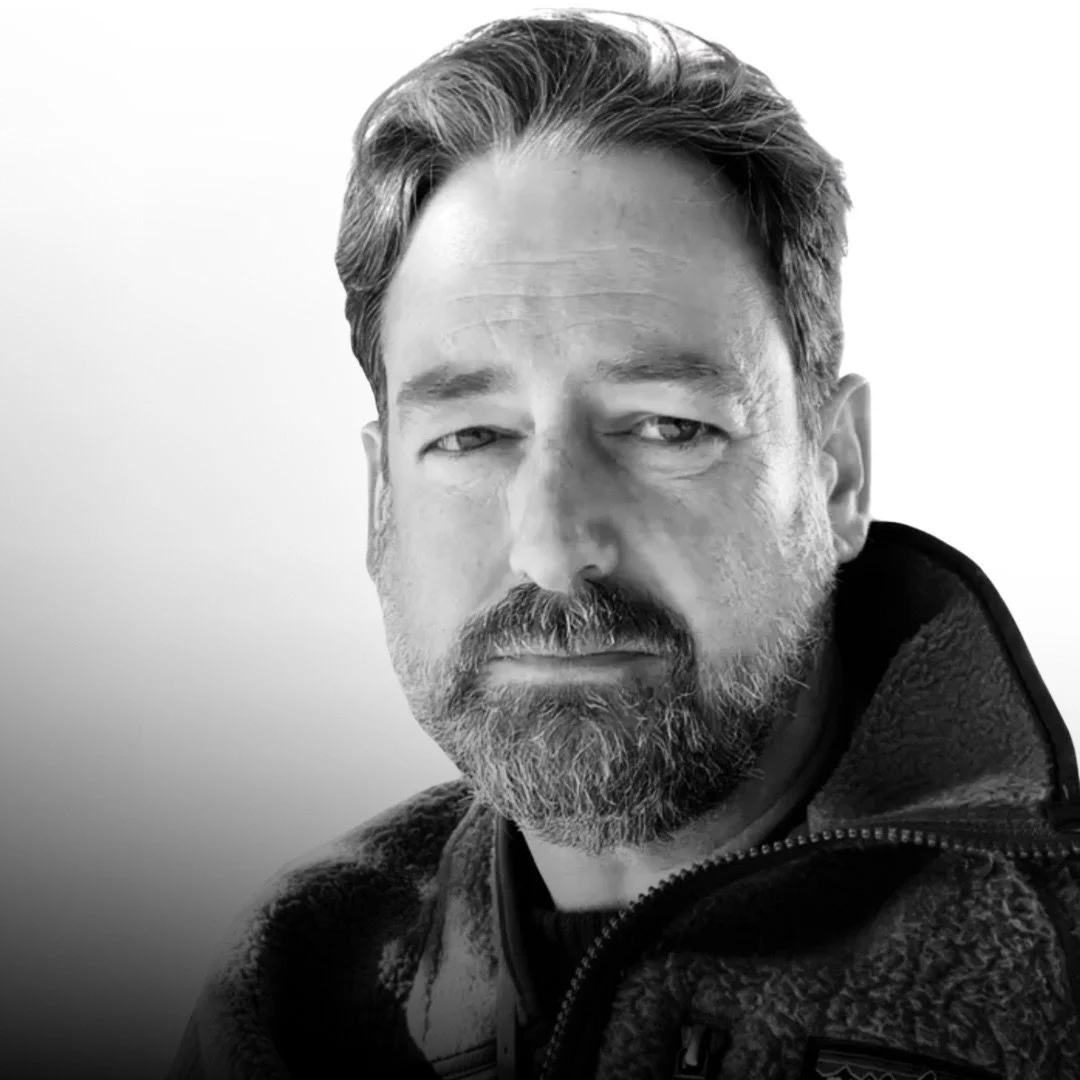
I'm Dr Tim Butcher — producer, director, and visual ethnographer.
I founded StoryCraft Productions because I believe the most important stories are hiding in plain sight: in communities, in workspaces, in the ordinary practices that hold us together. My work creates the conditions in which people feel safe enough to tell them.
This isn't instinct. It's methodology.
And don’t just take my word for it. — see the testimonials:
Radical Empathy
Over 25 years of research and community practice, I've developed an approach I call Radical Empathy — a methodology grounded in three well-researched but too often overlooked principles: self-reflexivity, symbolic interactionism, and affective call and response. Together, they create the conditions in which subjects say things on camera they've rarely said before — not because they're prompted, but because they feel genuinely heard.
I think of myself as a custodian of the stories people share with me. My ethical orientation shapes everything StoryCraft produces — and it's something I pass on to the crew I work with, for the practice to breathe life into our projects.
Listen to my PechaKucha talk in 2025, introducing my Radical Empathy methodology:
The Background
My path into screen production is unconventional, which I think makes StoryCraft stronger.
I spent two decades as a university researcher and academic leader, leading funded longitudinal projects with communities across Australia, the UK, India and the US. The most formative was Wellbeing not Winning (Aboriginal and Torres Strait Islanders peoples should exercise care in watching this film as it contains the images and voices of deceased people) — an Australian Research Council-funded study (2015–2018) with the people of Papunya, where I first used a camera to document what I was seeing, showing images to Elders and inviting them to share their understandings. That experience shaped everything that followed.
I went on to develop my methodology further through Tales of Precarity — a project with Counterpoints Arts and the Tate gallery, funded by The Open University (2018–2020) — interviewing artists about the precarities of their lives and work; later passing on my approach while mentoring PhD students at the University of Delhi to develop innovative qualitative methods of their own.
The question driving all of it — why don't we value the work that creates culture and holds communities together? — became my book, Creative Work Beyond Precarity: Learning to Work Together (Routledge, 2023), and eventually StoryCraft.
My move into screen production was self-directed: a podcast became a video series, a video series became short documentary work, and documentary work revealed the slate I knew I needed to make.
In short time, I have built a strong foundation for StoryCraft by completing the AFTRS Introduction to Producing and Screen Business course and the AFTRS Onboarding Unscripted Post-Production course (via Screenworks' Regional Crew Pathways Program), being accepted onto the AIDC 2026 Leading Lights program for emerging filmmakers, and completing Screenwell's Psychological Safety training. None of which would have been possible without the support of Screen Tasmania.
I am currently participating in Bus Stop Films’ Inclusive Producing Attachment program.
StoryCraft Productions
I live and work in regional lutruwita / Tasmania.
StoryCraft Productions is a trading name of ConnectCurateCreate Pty Ltd, a Brand Tasmania licensed company.
When projects require it, I work with a small trusted network of local crew — camera operators, editors, and specialist creatives — who share the values and practice that StoryCraft is built on.
We support the Mental Health Action Plan

StoryCraft Productions supports The Australian Screen Industry’s Mental Health Action Plan (MHAP) because we believe every worker has a right to fair, equitable and safe working conditions. Our company was founded on 20+ years of academic research into the meaning, value and precarity of work in the arts, using visual methods to develop our own unique and ethical methodology for documentary filmmaking and photography - Radical Empathy.
We understand how meaningful screen work is to all involved and how valuable it is to culture and society. Hence we stand against any notion that work in the screen industry should be precarious. By adopting the ACT NOW recommendations, StoryCraft is committed to creating the conditions on each of our productions necessary to support the psychosocial safety of all involved.
Testimonials
Short Video Testimonials
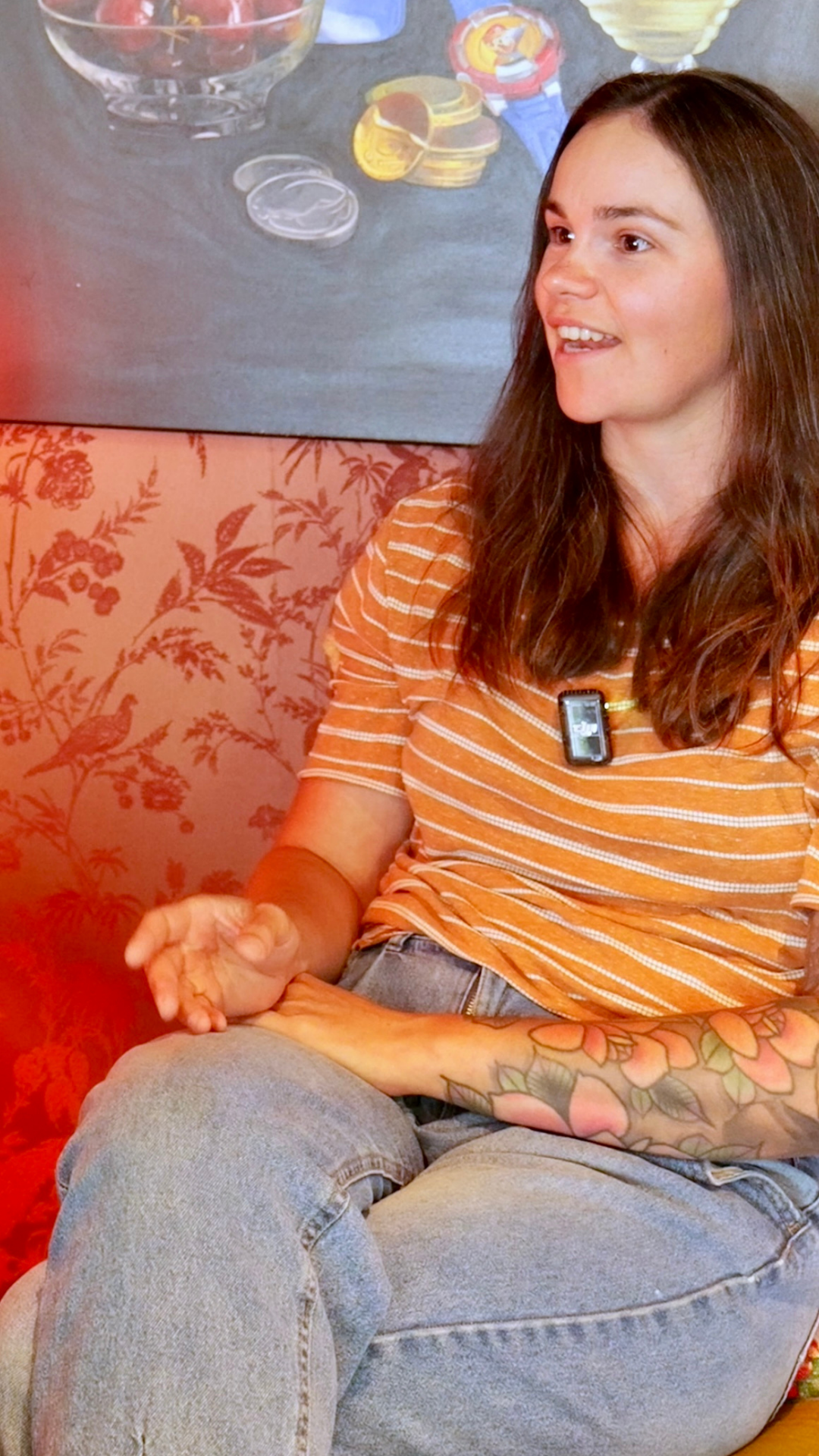
Katie Barron | Artist
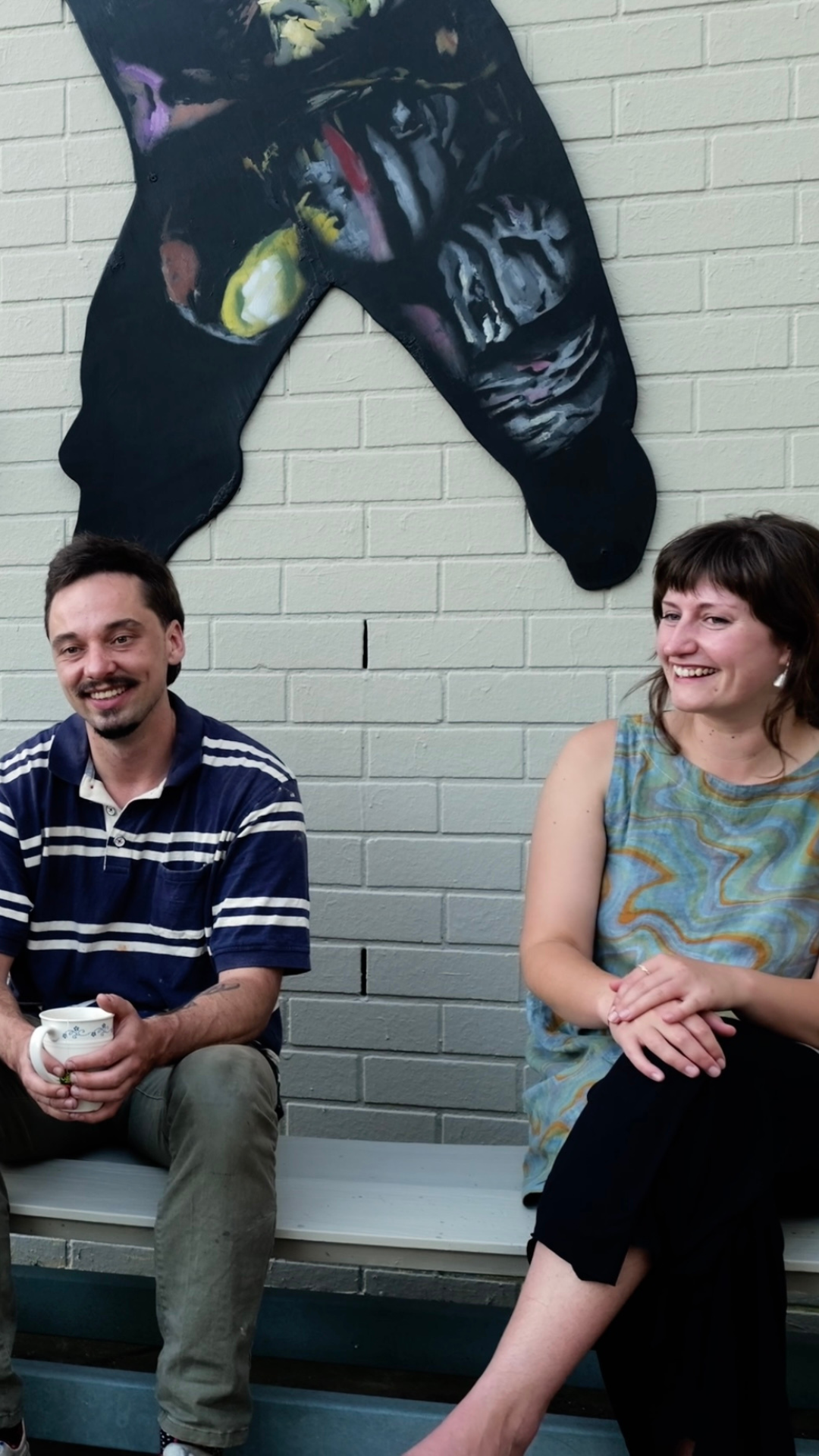
Maggie Jeffries and George Kennedy | Artists
-
![A woman with short dark hair smiling in a kitchen with shelves of jars and pottery in the background.]()
Dijana Rakovic | Senior Producer, Counterpoints Arts
In all previous collaborations Tim could be trusted to center artists and arts workers' interests and arts practices. His curiosity about people, his creativity and passion for fairness match Tim's knowledge of how complex systems work and concepts made accessible. Inventing [StoryCraft] looks to bring all Tim's experience into one platform that all kinds of creatives and organisations would find interesting and enabling.
-
![A woman with dark hair, wearing headphones, speaking into a microphone, in a recording studio.]()
Zara Sully | Director, Sawtooth ARI
Tim's unique and important background in research surrounding creative labour truly empowers his newest endeavour, [StoryCraft]. This platform is built on not only deep knowledge, but also significant passion. Tim is a great listener, thinker and this next development will garner the ability to empower creatives from all kinds of backgrounds, and I look forward to seeing how it develops.
-
![Black-and-white photo of a young man with dark, messy hair sitting at a table near a window, smiling at the camera.]()
Tony Curran | Artist / Academic
[StoryCraft] is mapping a broad-church of makers across markets, industries and passions. It's becoming an essential resource for creatives in Tasmania with the scope of building lasting networks, telling Tasmanian stories.
-
![]()
Sarah Stewart | Artist
Having a conversation with Tim about my practice was so valuable. His genuine interest in my work offered me an opportunity to reflect deeply on why I make art and helped me to articulate how my purpose and my process are entwined.
-
![]()
Tilley | Artist & Musician
Tim’s enthusiasm for art and supporting artists is beautiful to be around. It was a fun and comfortable interview!
-
![]()
David Fitzpatrick | Artist
Was a very rewarding experience chatting with Tim in my studio/humpy his easy manner and professionalism in the questions and conversation helped in reminding me why I do what I do in my arts practise. Loved his 4 legged best friend too!